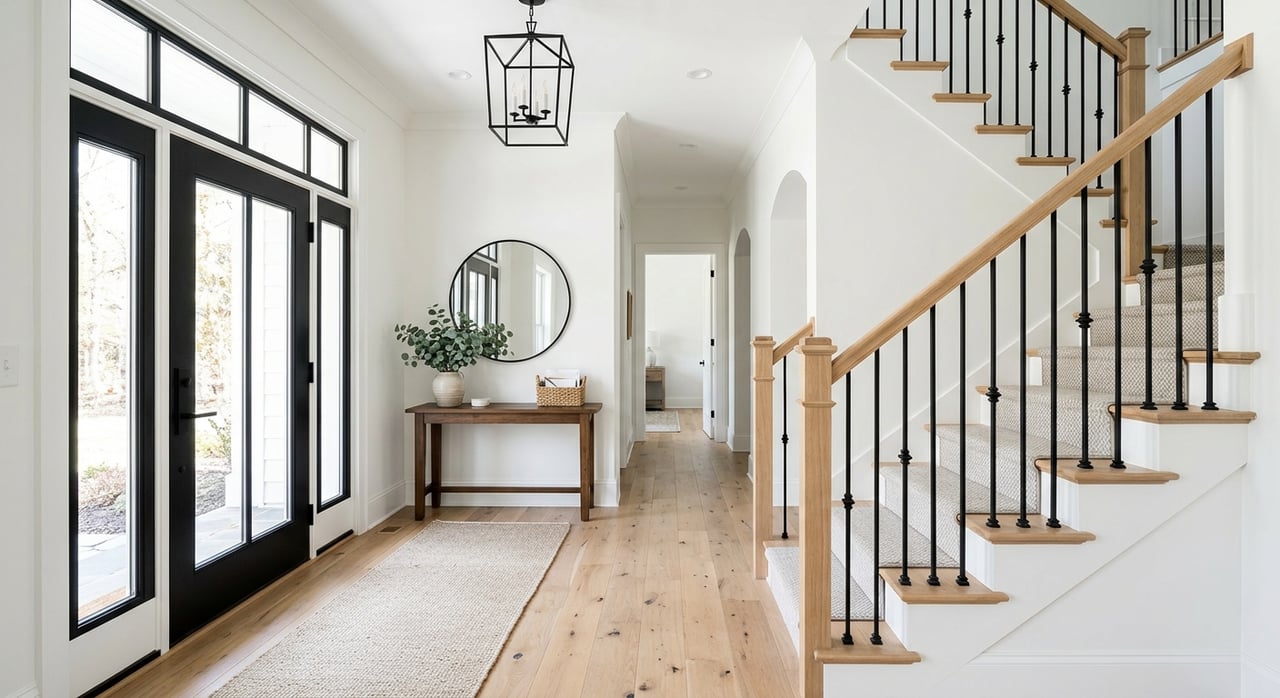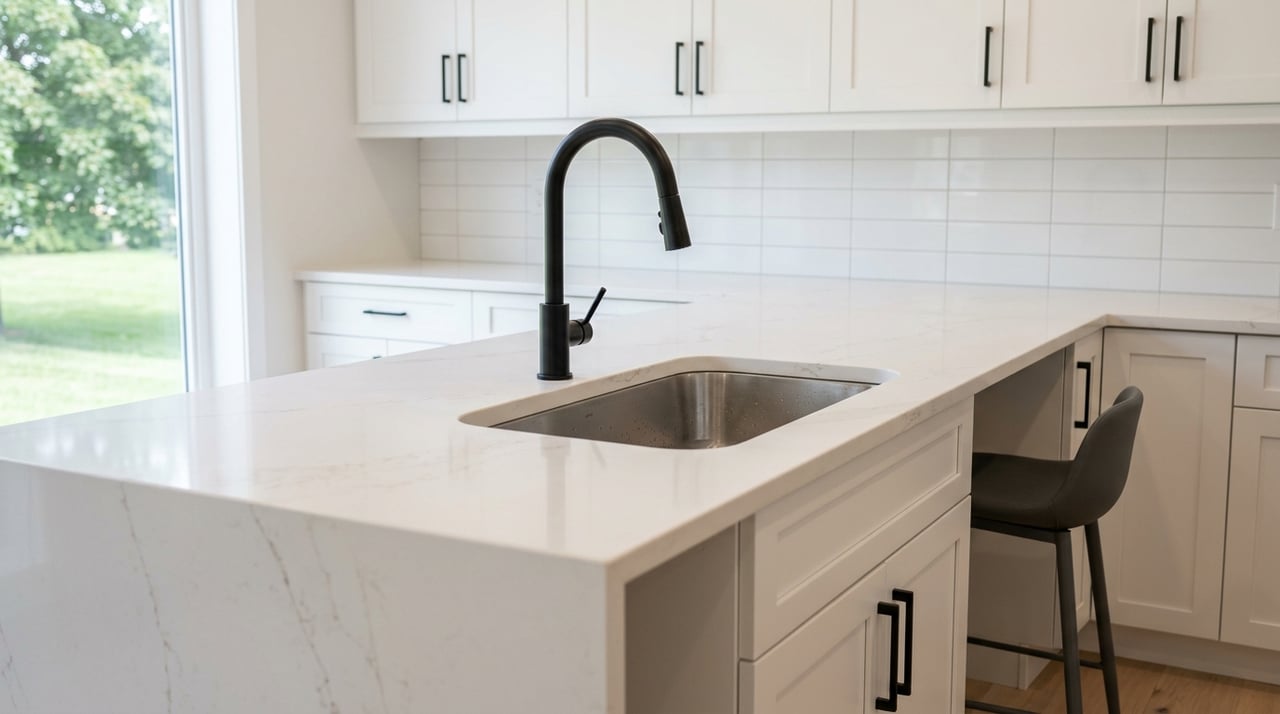
If you are thinking about selling in Lewis Center, here is the reality: a good home can still attract strong interest, but buyers have more choices than they did when inventory was tighter. That means your home needs to feel move-in ready, well-priced, and visually polished from the start. With the right prep, you can create a stronger first impression, reduce stress once showings begin, and set yourself up for a smoother sale. Let’s dive in.
Why preparation matters in Lewis Center
Lewis Center remains a competitive market, but it is not a market where you can rely on low inventory alone. In May 2026, the 43035 area showed a median listing price of $560,000, a median of 26 days on market, and a 100% sale-to-list ratio. Delaware County also showed a 100% sale-to-list ratio, 31 median days on market, and 1,428 homes for sale in March 2026, which was up 22.15% year over year.
The takeaway is simple: buyers are still active, but they are also comparing more options. If your home is not priced well or does not show well online and in person, it can lose momentum quickly. In a market like this, smart prep is part of the pricing strategy.
Start with a seller mindset reset
Many sellers have lived in their home for years before listing. NAR reported that the typical seller had owned their home for 11 years, which helps explain why many homes benefit from a reset before they hit the market.
Your goal is not to make the home feel perfect for your daily life. Your goal is to make it easy for a buyer to picture themselves living there. That often means simplifying spaces, reducing distractions, and focusing on what buyers notice first.
Declutter before you do anything else
If you only do one thing before listing, start here. NAR found that decluttering was the most common recommendation agents gave sellers, with 91% suggesting it before a home went live.
Decluttering does not mean stripping every room bare. It means removing anything that makes the home feel smaller, busier, or more personal than necessary. Buyers should notice the space, storage, and natural light before they notice your extra chairs, countertop appliances, or packed bookshelves.
What to remove before photos
Focus first on items that affect how large and clean a room feels:
- Excess furniture that makes rooms feel tight
- Overflow items in closets, pantries, and open shelving
- Personal photos and highly specific decor
- Kitchen and bathroom counter clutter
- Pet items, cords, and daily-use baskets
- Seasonal decorations and off-season gear
A helpful rule is this: if a room feels 10% to 20% too full, it probably is. Packing up some items early can make your move easier later and your listing stronger now.
Deep clean every visible surface
Cleaning the entire home was recommended by 88% of agents in NAR’s seller prep findings. That tells you how much cleanliness shapes first impressions.
A clean home signals care. It also photographs better, smells fresher, and helps buyers focus on the home itself rather than on maintenance concerns. In Lewis Center, where buyers may be comparing several polished suburban listings in one weekend, cleanliness matters more than many sellers expect.
Areas buyers notice fast
Before launch day, pay extra attention to:
- Kitchen counters, sinks, and appliance fronts
- Bathroom mirrors, tile, and grout lines
- Baseboards, doors, and trim
- Windows and glass doors
- Floors, especially in high-traffic areas
- Light fixtures and ceiling fans
If needed, bring in professional cleaners for a one-time deep clean. It is often one of the most cost-effective ways to improve showing quality.
Fix the obvious wear first
Not every repair needs to happen before you list. The most valuable pre-sale fixes are usually the ones buyers can see right away.
Touch up scuffed paint, patch minor wall damage, tighten loose hardware, replace burned-out bulbs, and address anything that gives an impression of neglect. These smaller fixes help the home feel maintained without pulling you into a long renovation cycle.
Repairs worth prioritizing
Based on what buyers are likely to notice during tours and photos, focus on:
- Paint touch-ups in high-visibility areas
- Loose handles, hinges, or railings
- Dripping faucets or running toilets
- Damaged caulk around sinks and tubs
- Worn entry areas or obvious flooring flaws
- Exterior items that hurt curb appeal
If you are considering larger improvements, be selective. In many cases, it makes more sense to handle visible, buyer-facing issues first rather than spend heavily on projects that may not change how the home shows.
Boost curb appeal before the first showing
Curb appeal was recommended by 77% of agents in NAR’s seller prep report. That is especially important in a place like Lewis Center, where many buyers expect well-kept exteriors, clean streetscapes, and strong first impressions.
Your exterior sets the tone before a buyer ever walks inside. Fresh mulch, trimmed shrubs, edged walkways, and a tidy front entry can go a long way. Even simple updates like a new doormat or planters can make the home feel more inviting.
Quick curb appeal checklist
- Mow and edge the lawn
- Trim bushes and overgrowth
- Remove weeds and dead plants
- Refresh mulch if needed
- Sweep porches and walkways
- Clean the front door and exterior glass
- Store hoses, bins, and yard tools out of sight
If your location genuinely benefits from nearby Orange Township amenities like parks, multi-use paths, or access to Columbus, those points may help your listing story. Just make sure they are relevant to the property and stated factually.
Stage the rooms that matter most
Staging does not have to mean furnishing every room from scratch. It means helping buyers understand how the home lives. In NAR’s 2025 staging report, 83% of buyers’ agents said staging made it easier for buyers to envision a home as a future residence.
The same report found that 29% of agents said staging increased the dollar value offered by 1% to 10%. When staging services were used, the median cost was $1,500.
Prioritize high-impact spaces
The rooms staged most often were:
- Living room
- Primary bedroom
- Dining room
- Kitchen
If your budget is limited, start there. These are the spaces buyers tend to remember most. Keep layouts simple, add balanced lighting, and use neutral styling that makes the room feel calm and functional.
Treat photos and video as launch-day essentials
Online presentation matters because most buyers will see your home digitally before they ever schedule a showing. In NAR’s 2025 staging report, buyers’ agents ranked listing photos as highly important at 73%, followed by traditional staging at 57%, video at 48%, and virtual tours at 43%.
That is why photo readiness should happen before the listing goes live, not after. In a market where homes in 43035 moved in a median of 26 days, you do not want to spend your first week on the market making basic presentation fixes.
Get your home camera-ready
Before photography day:
- Open blinds and curtains for natural light
- Replace dim or mismatched light bulbs
- Hide trash cans and small appliances
- Clear nightstands, dressers, and countertops
- Make beds with simple, crisp bedding
- Put away laundry, pet items, and bath products
Strong visuals support your pricing, your marketing, and your early showing activity. In many cases, they shape whether buyers book a tour at all.
Prepare for quick showings
Once your home is active, flexibility matters. With current days-on-market figures in Lewis Center and Delaware County, sellers should be ready for short-notice showings and fast feedback during the first days and weeks.
That means building a simple daily routine that keeps the home show-ready. Make beds, wipe counters, empty trash, and have a plan for pets, kids’ items, and last-minute departures. The easier it is to say yes to a showing, the more opportunities you create.
Showing prep made simpler
Keep a short checklist by the door:
- Lights on
- Counters clear
- Beds made
- Floors quickly checked
- Towels straightened
- Odors handled
- Car moved if needed
Early feedback matters too. If buyer response is softer than expected, pricing or presentation may need to be adjusted quickly rather than weeks later.
Understand Ohio disclosure requirements
Before you sell, you should be ready to complete Ohio’s Residential Property Disclosure Form. Under Ohio Revised Code 5302.30, the form is required and asks sellers to disclose known issues within their actual knowledge.
The form covers topics such as water supply, sewer, roof issues, water intrusion, structural conditions, and hazardous materials including lead, asbestos, and radon. It is not a warranty, and it does not replace inspections.
If the form is not provided before the purchase contract is entered into, the buyer may have rescission rights under the form’s terms. That is one reason it helps to get organized early instead of scrambling once a buyer is ready to write an offer.
Older homes may need extra attention
If your home was built before 1978, lead-based paint disclosure rules may also apply before the sale of most such housing. If you are planning pre-listing work like sanding, repainting, or repairs that disturb painted surfaces, it is wise to factor that into your prep plan.
Clear, accurate disclosures support a smoother transaction. They also reduce the chance of surprises later in the process.
Talk about schools and lifestyle carefully
Many Lewis Center sellers want to highlight schools, parks, and convenience. That can be helpful, but it should be done carefully and factually.
If you mention school assignment, it should be confirmed by address through the district’s attendance tools rather than assumed. For lifestyle points, stick to verifiable facts like nearby parks, multi-use paths, Orange Township amenities, or access to Columbus when those features are truly relevant to the property.
Why strategy matters from day one
Selling well is not about one big secret. It is about getting the basics right before the listing ever goes live. In today’s Lewis Center market, that means pricing discipline, polished presentation, strong media, and a plan for quick execution.
That is also why many sellers prefer professional support. NAR’s 2025 Profile of Home Buyers and Sellers found that 91% of sellers used a real estate agent or broker, while FSBO sales fell to 5%. Sellers most wanted help with marketing, pricing competitively, and selling within a specific timeframe.
A thoughtful, team-based approach can help you manage all of those moving parts at once. If you want a sale that feels organized, visible, and well-guided, preparation is where that result begins.
If you are getting ready to sell in Lewis Center and want a clear plan for pricing, prep, and launch, Ayana Realty Group can help you move forward with confidence.
FAQs
How much should you declutter before listing a Lewis Center home?
- Remove enough furniture and personal items so each room feels open, clean, and easy to understand in photos and showings.
Which repairs matter most before selling a Lewis Center house?
- Prioritize visible issues first, such as paint touch-ups, loose hardware, leaks, worn caulk, and exterior items that affect first impressions.
Do you need to stage every room before selling in Lewis Center?
- No. If you are prioritizing, focus on the living room, primary bedroom, dining room, and kitchen.
Are professional photos and video worth it for a Lewis Center listing?
- Yes. Buyer demand for strong listing media is high, and polished visuals help your home compete from the moment it goes live.
What disclosures are required when selling a home in Ohio?
- Ohio sellers are generally required to complete the Residential Property Disclosure Form, which covers known material issues within the seller’s actual knowledge.
How should you prepare for showings in Lewis Center?
- Keep the home ready for short-notice appointments, use a simple daily checklist, and respond quickly to early feedback if buyer interest is weaker than expected.
Can you mention schools and local amenities when marketing a Lewis Center home?
- Yes, but school assignments should be confirmed by address, and local features like parks, paths, or commute access should be mentioned factually and only when relevant to the property.