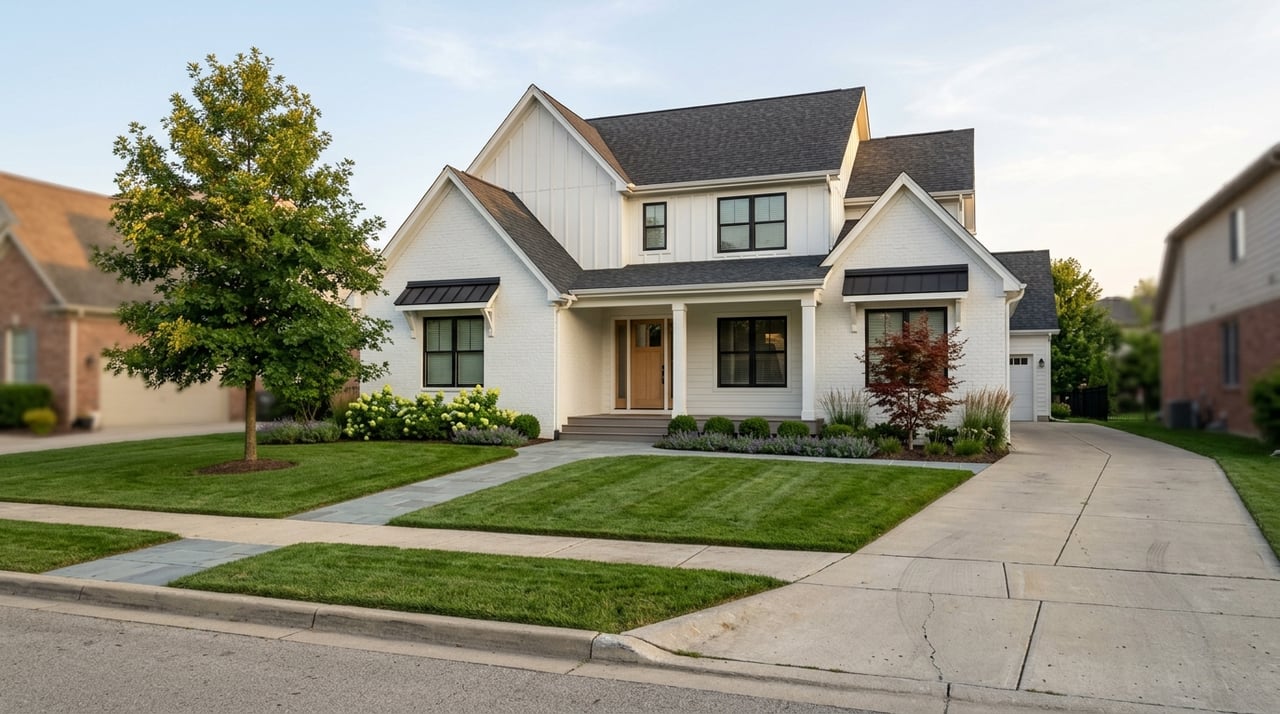
Thinking about moving to Columbus, Ohio? You are not alone. Columbus is a fast-growing city with a wide mix of housing, job centers, restaurants, trails, and neighborhood styles, which means your day-to-day experience can look very different depending on where you live. If you want a clearer picture of what life here actually feels like, this guide will walk you through the basics so you can decide whether Columbus fits your lifestyle. Let’s dive in.
Columbus at a glance
Columbus is a large and growing city. According to U.S. Census QuickFacts for Columbus, the city had an estimated population of 933,263 as of July 1, 2024.
That size gives Columbus a big-city feel in some areas, but not in just one way. City planning documents and local visitor resources show a place shaped by historic neighborhoods, downtown living, postwar suburbs, and newer mixed-use corridors, all within the same metro area.
Daily life in Columbus
One of the biggest things to know about living in Columbus is that daily life tends to be highly neighborhood-specific. In and near the core, you may find more walkable streets, easier access to restaurants and events, and better transit connections. In outer areas, your routine may be more car-dependent.
The city’s Comprehensive Plan supports that picture. It notes that downtown should prioritize pedestrian activity and multimodal connections, while many newer neighborhoods are more suburban and auto-oriented in form.
For many residents, that means your experience of Columbus depends on what matters most to you, such as commute time, walkability, access to parks, or proximity to retail and dining.
Getting around Columbus
If you drive, you will likely find Columbus fairly manageable compared with some larger U.S. cities. The U.S. Census QuickFacts page reports a mean one-way commute of 21.5 minutes for workers age 16 and older.
Transit is also part of the picture, especially in certain areas. COTA operates 38 fixed-route bus lines, more than 3,000 stops, and nearly 19 million passenger trips annually across a 562-square-mile service area.
If you fly often, COTA AirConnect links John Glenn International Airport with 13 downtown High Street stops. That can be especially helpful if you live or work near the downtown corridor.
Cycling and trail access are growing parts of city mobility too. The city’s Bike Plus Plan outlines a 487-mile vision network of low-stress bikeways and 20 miles of near-term connections, while local park and trail systems give many residents additional options for recreation and some commuting routes.
Columbus jobs and commute patterns
Columbus is not built around a single downtown-only job pattern. Downtown is still a major center for commercial, cultural, entertainment, retail, residential, and government activity, according to the city’s Comprehensive Plan.
At the same time, the city has several major employment hubs across the region. The city’s 2025 profile lists major employers including The Ohio State University, OhioHealth, the State of Ohio, JPMorgan Chase, Nationwide Children’s Hospital, Kroger, Nationwide, Amazon, the City of Columbus, Mount Carmel, and Honda.
Outside downtown, other parts of Columbus also draw large workforces. The Northeast Area Plan identifies Easton as one of Central Ohio’s most significant office-development locations and a major retail and entertainment center. The Far North Area Plan points to Polaris and JPMorgan Chase as major employment anchors as well.
In practical terms, that means many residents choose where to live based on a multi-node commute pattern. You may work downtown, near Easton, around Polaris, or in another major employment area, so location strategy matters.
Housing options across the city
If you are wondering what kind of home you can find in Columbus, the short answer is: quite a bit. Columbus supports both renting and buying, with an owner-occupied housing rate of 44.1%, a median owner-occupied value of $252,900, and a median gross rent of $1,295.
The city also offers a range of ownership formats. Columbus’ Homeownership Development Program specifically includes condos and fee-simple townhomes, which is a helpful sign that ownership here goes beyond detached single-family homes.
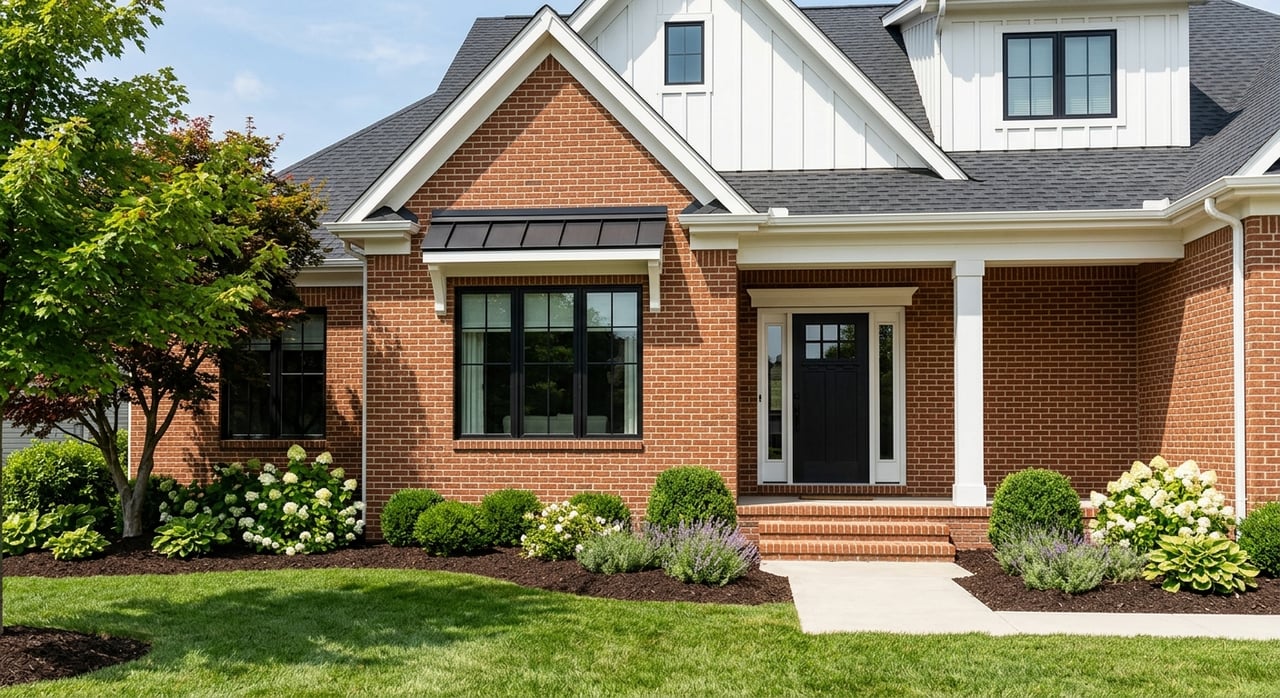
That variety is one reason Columbus appeals to different types of buyers. Whether you want a historic property, a postwar house, a newer subdivision home, or an attached option closer to mixed-use areas, the city offers multiple paths.
Neighborhood character varies widely
A big part of living in Columbus is understanding that neighborhood feel can change quickly from one area to another. Some parts of the city are known for older architecture and historic streetscapes, while others are shaped by ranch homes, split-levels, or newer suburban development.
For example, the city’s Near East Area Plan describes surviving 19th-century architectural styles such as Italianate, Queen Anne, Romanesque, Chateauesque, and Greek Revival. The city also describes German Village as an area known for historic brick houses, shops, streets, and sidewalks through its planning context.
Other areas reflect different eras of growth. Planning materials for the Hilltop identify housing types that include bungalow, Four-Square, Colonial, English Cottage, Dutch Colonial Revival, Cape Cod, ranch, and split-level homes.
The city’s Comprehensive Plan also notes that newer neighborhoods often feature larger single-family subdivisions, with townhouses and apartments around the edges, while downtown should include a mix of housing choices and styles. That range gives you more flexibility to match your home search to your budget and lifestyle.
Food, arts, and entertainment
If local dining and entertainment matter to you, Columbus has a lot going on. The city has several active districts that shape how residents spend evenings and weekends.
The Short North Arts District includes more than 300 businesses and is known for street art, sculptures, Gallery Hop events, restaurants, coffee shops, and nightlife. It is one of the clearest examples of Columbus’ neighborhood-based energy.
The Arena District is another major draw. It is home to sports and entertainment venues for the Blue Jackets, Clippers, Crew, and Fury, and it also includes KEMBA Live! and North Market, which has 35 local vendors.
Columbus also has a strong restaurant scene more broadly. Experience Columbus describes the city as a foodie destination recognized by Condé Nast Traveler, AFAR, and Food & Wine, and notes that downtown alone has more than 100 restaurants within walking distance. Easton Town Center is another major destination, with more than 30 million visitors per year and 250-plus retailers.
Parks, trails, and outdoor space
One of the strongest quality-of-life features in Columbus is access to parks and trails. If you like walking, biking, playgrounds, green space, or nature areas, the city offers a lot of options.
Columbus Recreation and Parks operates 410 parks, 14,069 acres of parkland, 230 miles of regional trails, 170 playgrounds, and 20 nature preserves. That reach gives many residents regular access to outdoor space close to home.
Metro Parks adds even more regional recreation. The system includes 22 natural-area parks, more than 270 miles of trails, and 28,900 acres across seven counties. The Greenway Trails system specifically highlights the Olentangy Trail and Scioto Trail, with the Scioto Trail noted as a useful commuting route into downtown.
Downtown residents and visitors also have access to Columbus Commons, which hosts more than 200 free events and welcomes about 200,000 visitors annually. It is open daily year-round, adding another layer of public gathering space in the city core.
What living in Columbus feels like
So, what is it actually like to live in Columbus? For many people, it feels like a city of options. You can build a more urban routine near downtown and the central neighborhoods, or choose a more suburban pattern with larger residential areas and retail hubs farther out.
You may find a historic brick home, a ranch in an established neighborhood, a condo, a townhome, or a newer house in a growing corridor. You may commute downtown, toward Easton, up to Polaris, or somewhere else entirely.
That flexibility is one of Columbus’ biggest strengths. The city does not fit just one lifestyle, which is exactly why many buyers and sellers find it easier to build a plan around their real priorities here.
If you are exploring a move to Columbus or trying to narrow down the right area for your next home, working with a local team can help you connect the big picture to your actual day-to-day needs. When you are ready for clear, strategic guidance, connect with Ayana Realty Group to start the conversation.
FAQs
What is daily life like in Columbus, Ohio?
- Daily life in Columbus depends a lot on the neighborhood, with some areas offering more walkability and transit access and others being more car-dependent.
What is the average commute time in Columbus, Ohio?
- According to U.S. Census QuickFacts, the mean one-way commute in Columbus is 21.5 minutes for workers age 16 and older.
What types of homes can you find in Columbus, Ohio?
- Columbus offers a mix of housing types, including historic homes, postwar houses, condos, fee-simple townhomes, apartments, and newer single-family homes.
Is Columbus, Ohio good for parks and outdoor activities?
- Columbus has extensive outdoor amenities, including 410 city parks, 230 miles of regional trails, 20 nature preserves, and additional Metro Parks across the region.
What are some popular entertainment areas in Columbus, Ohio?
- Popular areas include the Short North Arts District, the Arena District, downtown dining areas, Easton Town Center, and public gathering spaces such as Columbus Commons.